Operational business software
Orders, production, quality control, inventory and internal tasks. Interfaces, roles and rules are designed around actual processes, not a standard template.

01 / SOFTWARE ENGINEERING
Spreadsheets, manual tasks and disconnected systems should not dictate how you work. We develop business software and integrations around your processes.
An initial conversation. No commitment.
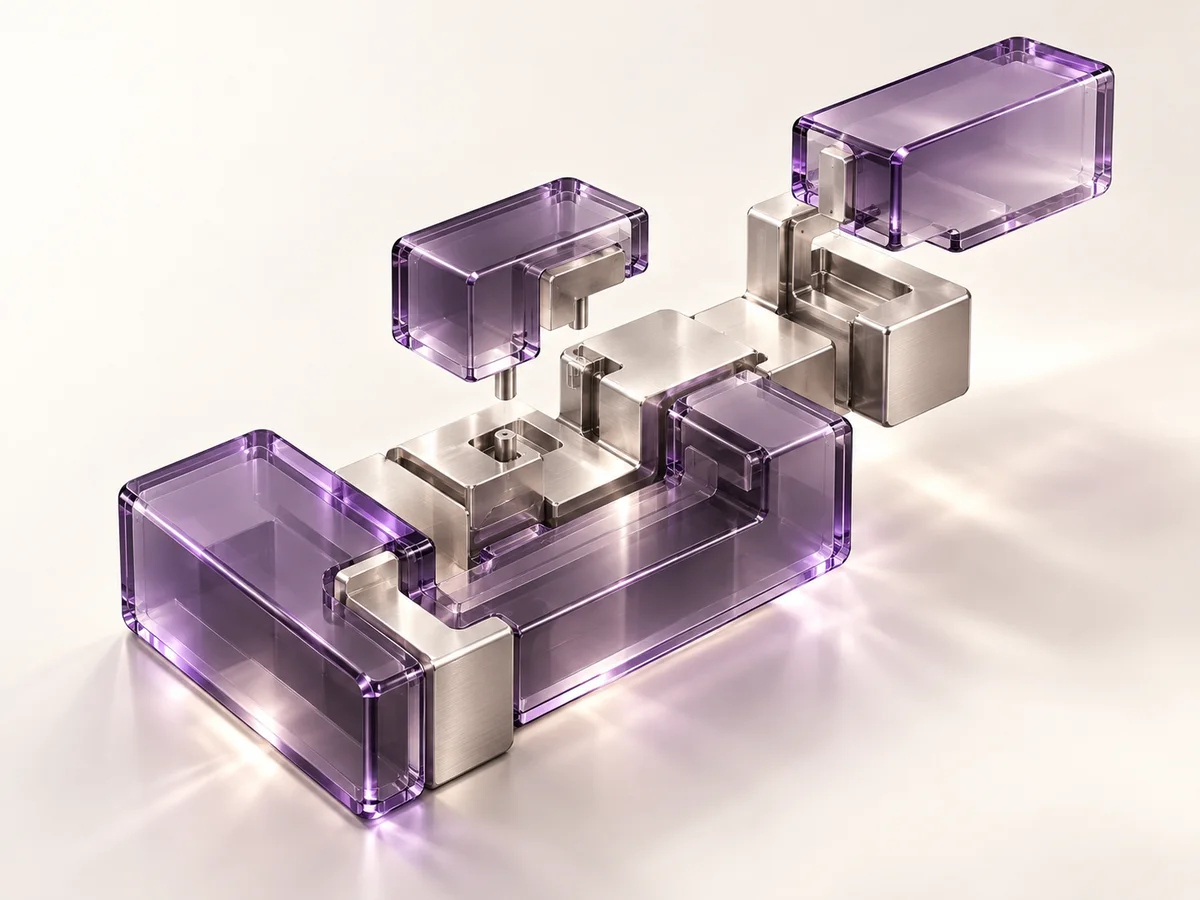
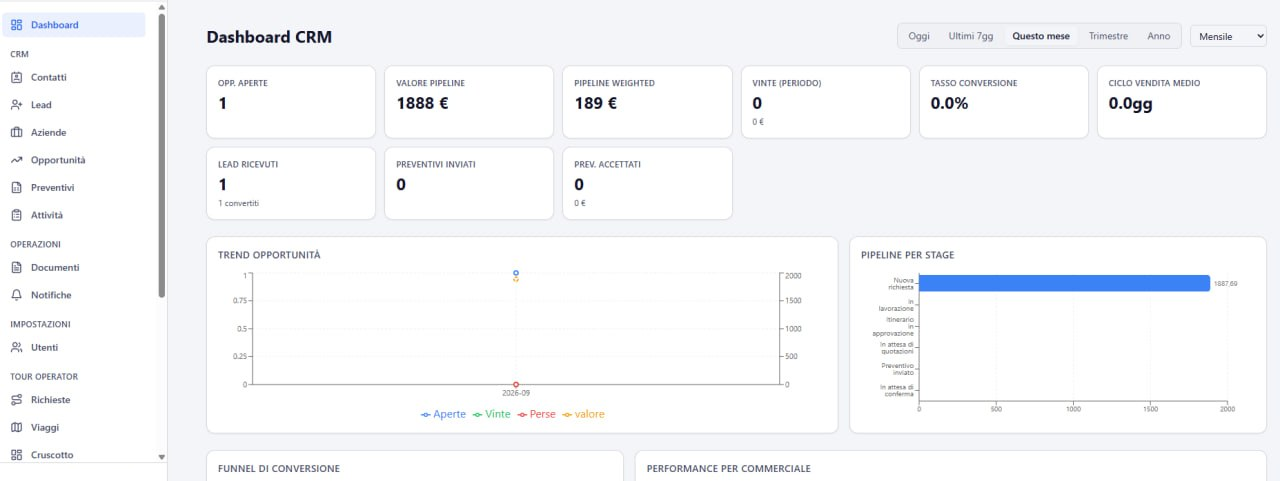
We assess your processes, integrations and technical requirements before choosing a foundation. When AriesCRM fits the project, our proprietary AI-first platform provides common modules to customise. When a dedicated architecture or a different foundation is needed, we develop the entire system from scratch.
The architecture is designed both for AI-assisted development and for connecting agents to business workflows through APIs and events. Shared development rules, automated tests and technical review support changes. AI is part of the way we build and integrate the system, not just a chat window added to it.
We choose the modules needed for your initial scope and define the custom work. Licences, source code availability and maintenance are agreed in the proposal and contract.
01 / WHERE WE CAN HELP
We identify the tasks, people and systems involved. Then we decide together where to act and what to keep.
Orders, production, quality control, inventory and internal tasks. Interfaces, roles and rules are designed around actual processes, not a standard template.
We connect data and workflow steps across existing software, applications, hardware and IoT. Before development, we assess APIs, constraints and each system’s responsibilities.
We assess what to keep, replace or migrate. Web and cloud applications, maintenance and extensions are planned to support ongoing use.
02 / OUR APPROACH
Before starting, we agree objectives and scope. Next steps are defined by what we learn, not by standard promises.
Users, bottlenecks, rules and current systems.
Features, integrations, permissions and acceptance criteria.
You assess working versions and we agree adjustments to priorities.
Deployment, user onboarding and maintenance within the agreed scope.
The first conversation is free. During the proposal stage, where useful, we prepare a demo or navigable prototype to make the proposed workflow tangible.
Explore screens, simulate key steps and collect feedback from operators and management. This helps clarify requirements and discuss the investment before building the complete system.
AI-assisted development makes this validation faster. A demo is not production software: data, access controls, integrations, testing and maintenance still need to be designed and verified. Demo scope, timing and any commercial terms are agreed for each project.
Discuss your process ↗03 / FAQ
We assess that before building. Custom software makes sense when an important process is not covered, requires extensive manual work or needs to connect different systems. We compare existing products, integration and development against the problem, not the number of features to build.
We start with what works and the missing connections. We assess APIs, databases, files and connectors to add the required workflow or modernise part of the application. Migration, testing and operational continuity inform the plan; full replacement is not the starting point.
We define an initial scope, priorities and acceptance criteria. Incremental releases let you assess working versions and check the direction. New requests are reviewed together for their effect on cost, timing and priorities before entering the work plan.
Not simply because it was built with AI: we use AI in development too. Code, data, access controls, integrations and tests need review to establish what can be retained and what needs strengthening. Moving to production also includes error handling, deployment and maintenance.
