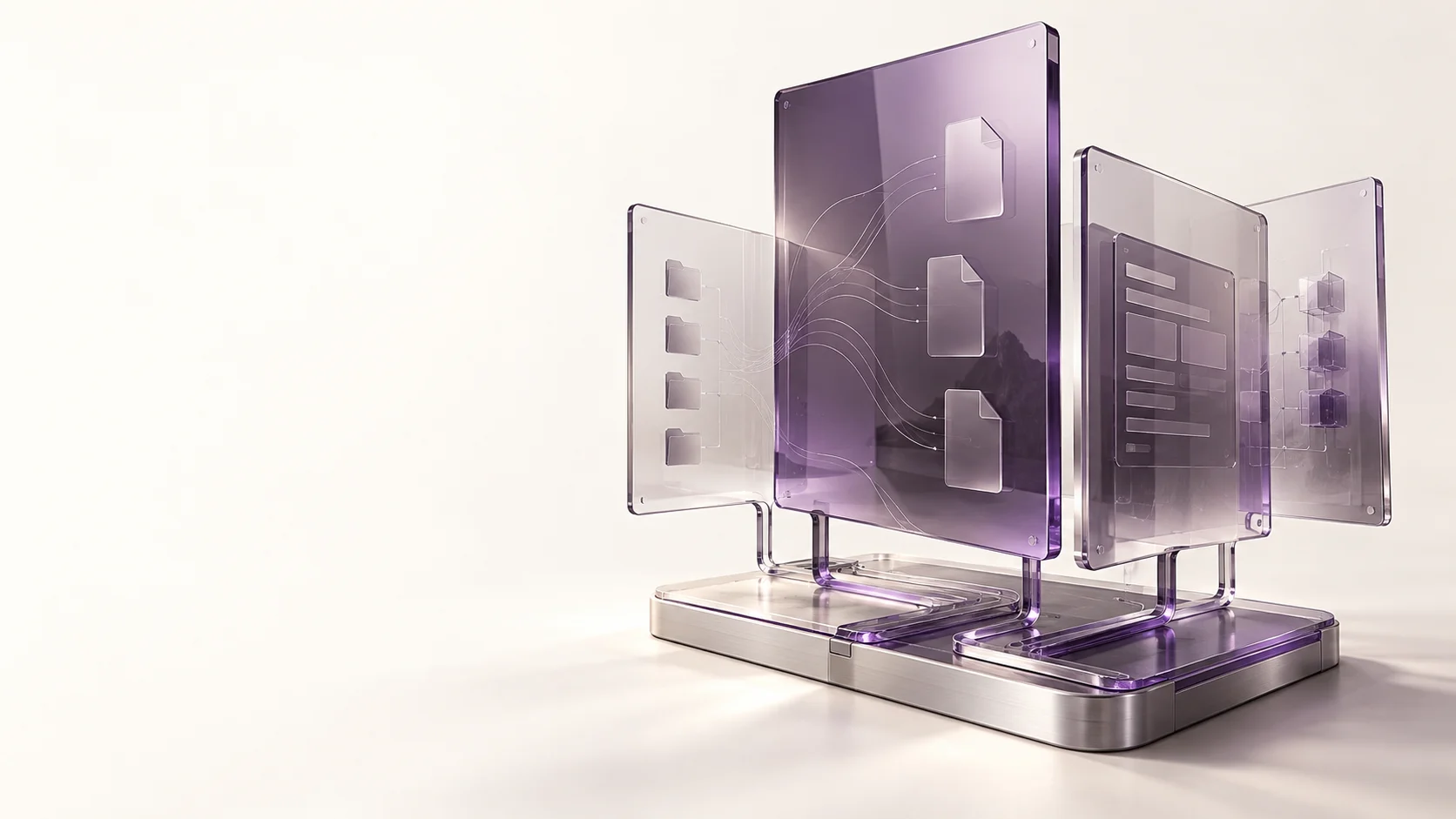
Information that does not move
Data copied between systems, email used as an approval queue and spreadsheets shared between teams.

Disconnected systems, manual documents, processes that slow you down. We build software and AI solutions around how your business actually works.
Over 100 projects since 2014. Analysis, demo, then development: always in that order.








For businesses coordinating people, data and systems. Start with a critical workflow, not a list of technologies.
Data copied between systems, email used as an approval queue and spreadsheets shared between teams.
Attachments to classify, delivery documents to compare and missing information to request.
Procedures and technical experience that need to be collected, validated and made accessible.
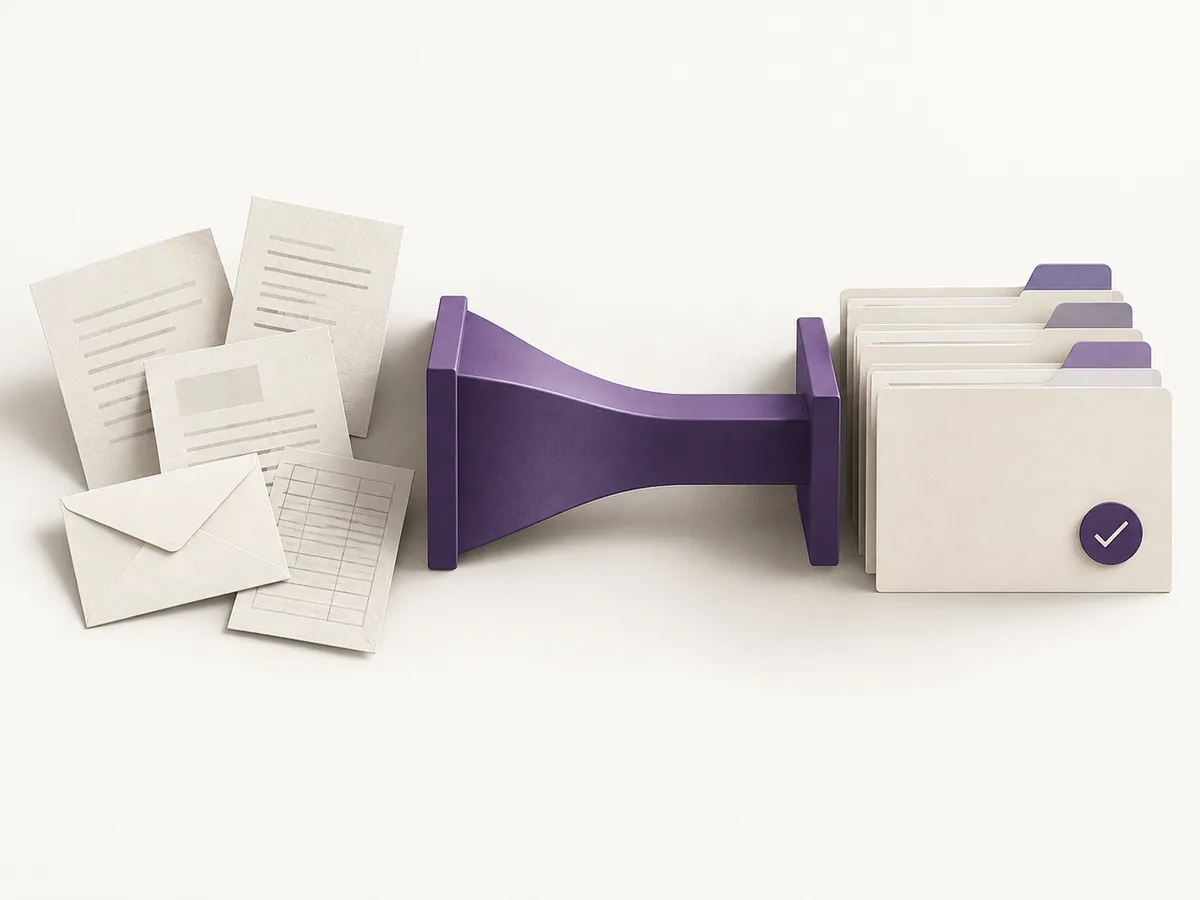
Software, apps, AI and training. Four areas of expertise, built around the work of your business.
Web and mobile applications for customers, operators and teams, connected to your business systems.
Web & mobile appsCustom business applications, CRM and ERP integrations. Connect what you already use and build what is missing.
Custom software →Extract data, classify documents and connect workflows. With people in control of exceptions and decisions.
Explore automation →Practical AI training for business roles. From understanding the tools to using them responsibly in everyday work.
AI training →Every Aries Tech project starts by analysing the actual work: who does what, with which tools, and where time is lost. We define a clear scope and a concrete first step, then show the system in a demo or navigable prototype before building it in full. Only then do we develop, integrate and support adoption.
Since 2014, this method has supported over 100 projects: business software and integrations, web and mobile apps, AI platforms, IoT systems, 3D scanning and augmented reality. Technologies change; analysis, validation and production delivery remain.
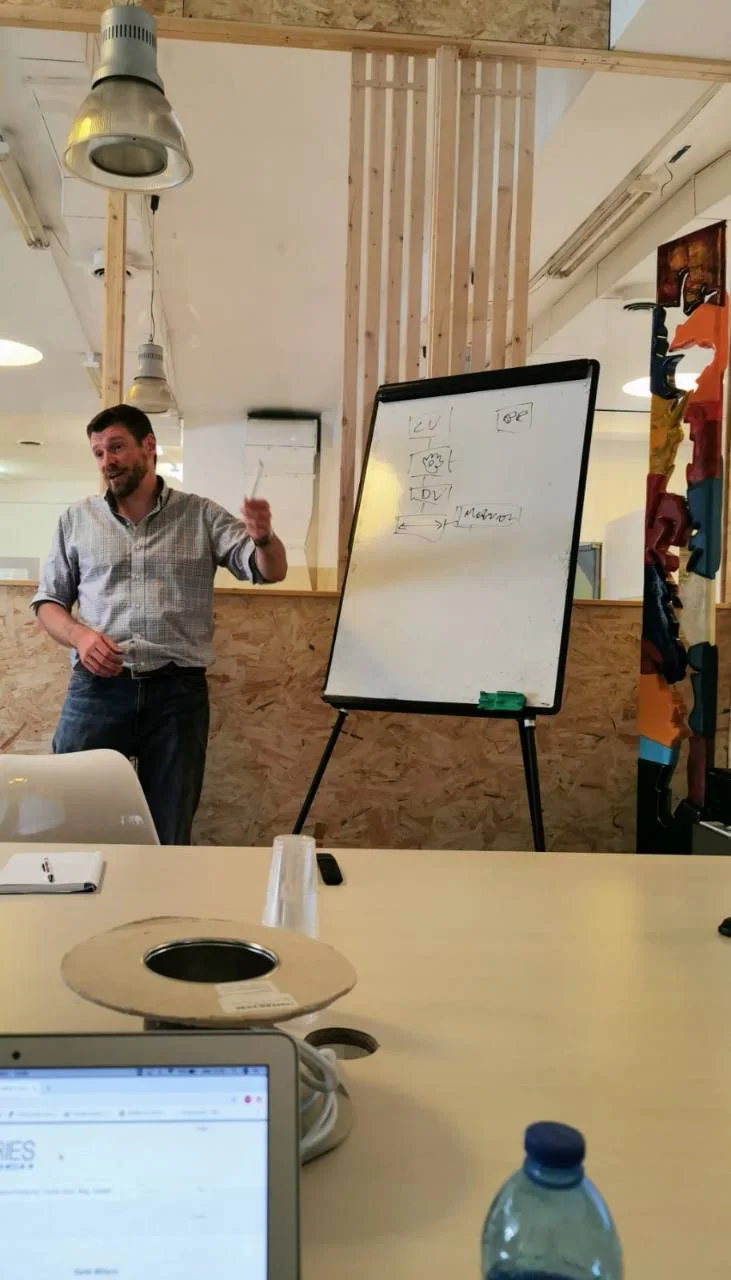
We analyse the process, existing systems and real constraints. We start with how you work, not with a technology.
We define priorities and scope, and make them visible through a demo or prototype before investing in the complete system.
We develop, integrate with what you already use and support adoption, improving through user feedback.
The first conversation is free. During the proposal stage, where useful, we prepare a demo or navigable prototype to make the proposed workflow tangible.
Explore screens, simulate key steps and collect feedback from operators and management. This helps clarify requirements and discuss the investment before building the complete system.
AI-assisted development makes this validation faster. A demo is not production software: data, access controls, integrations, testing and maintenance still need to be designed and verified. Demo scope, timing and any commercial terms are agreed for each project.
Discuss your process ↗Alongside custom projects, we develop and maintain our own software: dedicated products for documents and workplace safety, and a shared foundation for bespoke business systems.
Classify documents, extract the data you need and validate it against your business rules. Connect document handling to workflows and business software, with people reviewing exceptions.
Visit the Vigenta website (new tab)Collect near-miss reports using voice and multilingual input. AI helps organise the information, giving your HSE team a structured basis for analysis and preventive action.
Visit the Near Miss website (new tab)Our modular AI-first foundation for custom CRM and ERP projects. Contacts, quotations, workflows, email and permissions are already available; we build your process-specific functions on top.
Discover the AriesCRM foundationWe start with the cost of your current process: time spent, volumes, errors and rework. We compare this with development, integration and running costs to identify an initial investment proportionate to the expected benefit. If an existing product solves the problem well, we assess it before proposing custom software.
No, that is not our starting point. We first check how to connect your existing software through available APIs, imports or connectors. We can address the step that slows work down while keeping what works. Integration constraints are assessed before the project is scoped.
The first conversation is free: you describe a process and we identify the problem to solve. During the proposal stage, a demo or prototype lets future users review screens and workflow steps. You can assess something tangible before full development; the demo’s scope and terms are agreed in the proposal.
We can start with one process and build through successive releases. The assessment defines the first usable result, required integrations and review milestones. We involve the people doing the work to gather feedback and prepare adoption. The schedule is based on that initial scope, not every possible future feature.
We design the checks as well as the automation. We define which tasks the system can perform and which need approval. In document workflows, for example, validation rules and human review handle uncertain data and exceptions before business software is updated. Testing real cases helps identify limitations before release.
Using AI does not mean making documents public. Before selecting a solution, we assess which data is needed, where it is processed, which providers receive it and who can access it. Retention and service terms are assessed alongside your company’s confidentiality and data protection requirements.
This should be clarified before starting. The contract defines source code availability, licences, usage rights and the conditions for modification or transfer. If you want another team to be able to take over later, we address that requirement in the proposal, including third-party components.
We can provide maintenance and support for updates, monitoring, integrations and further development. We agree covered activities, costs and service levels so you know who to contact and what is included. Support is chosen to suit the system’s use; it is not automatically mandatory.